Why Toronto’s parks matter when you are choosing a hotel
Toronto is one of the rare global cities where a guest can leave a hotel in downtown Toronto and reach a quiet ravine park within minutes. This blend of dense city energy and accessible nature shapes how you should choose accommodation, because many of the most scenic green spaces and walking routes sit on direct transit lines or short taxi rides from major hotels. When you understand which parks Toronto maintains near your preferred neighbourhood, you can plan every hour of your stay with more intention.
Many visitors underestimate the time and distance between their hotel and a favourite park or trail, then spend long hours in traffic instead of on the paths. Before you book, look at a map of parks Toronto offers and note which urban park or lake shoreline is located within a 20 to 30 minute transit ride from your lobby. This simple step lets you match your ideal hiking routes, picnic lawns, or beaches with the right part of the city.
Think about how you like to spend your time outdoors, because the top parks and trails in Toronto serve very different moods. Some guests want a short hike before breakfast, while others prefer a half day trips Toronto style escape with fishing or cross country skiing in winter. When you align your hotel choice with the closest green spaces that fit your habits, every trail and park visit feels effortless rather than rushed.
Neighbourhood getaways around the GTA for park focused day trips
Staying in central Toronto gives you fast access to the subway, but some of the most rewarding parks and trails in Toronto sit just beyond the core in Greater Toronto Area neighbourhoods. West of the city, High Park anchors a leafy residential district where hotels along Bloor Street place you within walking distance of a vast urban park with a lake, a zoo, and kilometres of hiking trails. From these properties you can plan relaxed day trips that combine café hopping with a late afternoon hike beside Grenadier Pond, timing your hours to catch sunset over the trees.
North of downtown, neighbourhood getaways near the Don Valley put you close to a network of ravine trails that feel surprisingly wild given their distance from the financial district. Guests who base themselves near Yonge and Eglinton or around Leaside can reach wooded paths, historic buildings such as the Evergreen Brick Works, and riverside picnic spots in under an hour by transit or taxi. These areas work well for travellers who want quick trips Toronto style, mixing meetings in the city with an evening hike or run along the valley trail system.
For a more coastal feel, consider hotels in the Beaches or Scarborough, where Lake Ontario becomes the star attraction and the best parks and trails in Toronto meet dramatic bluffs. Here you can walk a lakeside trail in the morning, enjoy sandy beaches at midday, then explore nearby parks Toronto manages on the cliff tops for sweeping views. If you plan to rent a car for polished day trips, use a refined itinerary resource such as curated day trips from Toronto by car to link these neighbourhood getaways with provincial and national park destinations beyond the GTA.
High Park and the western lakeshore: classic green escapes near hotels
High Park is often the first answer when locals are asked about the best parks and trails in Toronto, and for good reason. Located about 6 to 8 kilometres west of downtown Toronto, this 160 plus hectares green space offers forested hiking trails, a small lake, sports facilities, and generous picnic areas. Hotels near the western stretch of Bloor Street or along the lakeshore streetcar line give you the closest access, often within a 15 to 25 minute ride.
Inside High Park, you can tailor your time to the mood of the day, from a gentle lakeside stroll to a more vigorous hike through oak savannah and ravine terrain. Families often spend several hours here, combining the playgrounds, the free zoo, and a picnic lunch on the lawns, while runners use the loop roads and trails for early morning training. In winter, some slopes become informal cross country skiing routes, turning this urban park into a four season playground that rewards repeat visits during a longer hotel stay.
Continue south and you reach the Martin Goodman trail, a paved waterfront route that follows Lake Ontario for many kilometres across the city. Guests staying in hotels near Exhibition Place, Liberty Village, or the Queensway can step out for a sunrise run or sunset cycling session along this trail, using the lake as a constant reference point. When you compare locations, factor in how many time hours you realistically want to spend commuting versus moving under your own power beside the water.
To make these outings smoother, choose accommodation with easy access to the TTC so you can reach High Park and the lakeshore without worrying about parking. A detailed resource such as this Toronto public transit hotel guide helps you identify which stations and lines sit closest to both your preferred hotel and your target parks. When transit, trail, and hotel align, every hour in Toronto feels better spent.
Rouge National Urban Park and the eastern wild side of the city
On the eastern edge of Toronto, Rouge National Urban Park offers a rare experience, because it is the first national urban park in Canada and sits within a major metropolitan area. This protected landscape stretches across more than 7 900 hectares of forests, wetlands, farms, and beaches, giving hotel guests access to a national park style environment without leaving the city. For travellers who care about the best parks and trails in Toronto, Rouge National Urban Park is a compelling reason to stay in Scarborough or eastern Markham.
The park is located roughly 30 to 40 kilometres from downtown Toronto, so you should plan at least an hour of travel time each way by car or transit. Once there, you can choose from hiking trails that range from short family friendly loops to longer routes that climb to viewpoints over the Rouge River and Lake Ontario, with some paths suitable for cross country skiing in snowy months. Many visitors combine a morning hike with an afternoon picnic at Rouge Beach, where the river meets the lake and the city suddenly feels very distant.
Because Rouge National Urban Park is part of the Parks Canada system, it balances natural and cultural heritage, protecting both ecosystems and historic buildings such as old farmhouses and archaeological sites. This natural cultural mix appeals to guests who want more than a simple hike, especially those interested in Indigenous history and the agricultural story of the region. When you compare hotels, consider whether you prefer to base yourself closer to Rouge National for repeated visits, or stay downtown and treat it as one of your major day trips during a longer time in Toronto.
Day trips from Toronto for serious hiking, the Bruce Trail, and Ontario Parks
While the best parks and trails in Toronto proper offer plenty of variety, dedicated hikers often look beyond the city limits to the Bruce Trail and the wider Ontario Parks network. The Bruce Trail, Canada’s oldest and longest marked footpath, runs for more than 890 kilometres along the Niagara Escarpment, and several access points lie within 60 to 90 minutes driving distance of central hotels. If you plan your time Toronto schedule carefully, you can enjoy a morning meeting in the city, then spend the afternoon on a limestone cliff hike with sweeping views.
Popular Bruce Trail day trips from Toronto include sections near Hamilton, Milton, and Caledon, where conservation areas such as Rattlesnake Point, Crawford Lake, and Mono Cliffs provide well marked hiking trails. Many of these areas are managed in partnership with Ontario Parks or local conservation authorities, and they often feature amenities such as parking, washrooms, and signed lookouts that make a first visit straightforward. When choosing a hotel, check the driving distance to your preferred trailheads, because saving even half an hour each way can add a full extra hour of hiking to your day.
For guests who enjoy mixing hiking with other outdoor activities, several Ontario Parks within reach of Toronto offer fishing, paddling, and winter cross country skiing. Places like Earl Rowe, Darlington, and Bronte Creek can be reached as relaxed day trips, especially if you rent a car or join an organized excursion. If you are flying into Pearson or Billy Bishop, consult a guide on choosing the best airport to downtown transport for your hotel, then align your transfer route with the highways leading toward your chosen national park or provincial destination.
Waterfront walks, island escapes, and how to plan your time
Toronto’s relationship with Lake Ontario shapes many of its most memorable outdoor experiences, especially for visitors staying in hotels near the harbourfront. From the ferry terminal at the foot of Bay Street, you can reach the Toronto Islands in about 15 minutes, trading the city skyline for car free paths, beaches, and picnic areas that feel like a resort just offshore. These islands offer some of the best parks and trails in Toronto for gentle cycling, family strolls, and sunset photography.
Along the mainland waterfront, the Martin Goodman trail and connected promenades create a continuous route that links neighbourhoods such as Harbourfront, the Entertainment District, and the emerging East Bayfront. Guests who choose hotels in these areas can structure their time hours around early morning runs, lunchtime walks, or evening bike rides, all with Lake Ontario as a calming backdrop. In winter, the same shoreline becomes a starkly beautiful place for a brisk hike, with ice formations and migrating birds offering a different kind of nature show.
When planning your stay, think in terms of blocks of time rather than isolated outings, because the distance between your hotel and each park or trail will shape what is realistic. A property located within a short walk of the waterfront or a major ravine entrance lets you fit in multiple short visits, while a hotel farther north might be better for guests focused on road based day trips. By mapping your priorities across the city, you can ensure that every hour in Toronto balances urban energy with restorative green space.
Practical tips for matching hotels with parks, trails, and seasons
Choosing the right hotel for exploring the best parks and trails in Toronto starts with an honest look at your habits. If you know you will only have an hour or two free each day, prioritise locations where an urban park or ravine trail is located within a 10 to 15 minute walk, such as near High Park, the Don Valley, or the waterfront. Guests with full free days can afford longer distance trips Toronto style, using rental cars or tours to reach Rouge National Urban Park, the Bruce Trail, or selected Ontario Parks.
Seasonality matters as much as geography, because the same park can feel entirely different in July and January. Summer highlights include beaches along Lake Ontario, shaded hiking trails in ravines, and long evening picnics, while winter brings opportunities for cross country skiing, snowshoeing, and crisp shoreline walks with fewer crowds. When you book, ask your hotel concierge about current trail conditions, daylight hours, and any special events in nearby parks Toronto manages, then adjust your time Toronto plans accordingly.
Finally, consider safety and amenities, especially if you are new to the city or travelling with children. Look for parks and trails with clear signage, maintained paths, and access points that are well used, and favour hotels that can provide printed maps or digital route suggestions for each nearby park, trail, or national park style excursion. With a little planning, your Toronto stay becomes more than a city break, turning into a layered experience where nature, culture, and urban comfort meet at exactly the right point.
Key figures about Toronto parks, trails, and green space
- Toronto maintains more than 1 500 parks covering over 8 000 hectares, meaning roughly 13 percent of the city’s land area is dedicated to green space according to the City of Toronto Parks, Forestry and Recreation division (City of Toronto, Parks, Forestry and Recreation, 2023). This density of parks Toronto offers explains why many hotels can advertise walking distance access to at least one significant park or trail.
- Rouge National Urban Park spans about 7 900 hectares, making it 23 times larger than New York’s Central Park based on Parks Canada data (Parks Canada, Rouge National Urban Park, 2023). For hotel guests, this means a full day is often required to sample even a small portion of its hiking trails, beaches, and historic buildings.
- The Martin Goodman trail and connected waterfront routes extend for roughly 56 kilometres along Lake Ontario, according to Waterfront Toronto (Waterfront Toronto, Martin Goodman Trail, 2023). Visitors staying in harbourfront hotels can therefore plan multi hour walks or rides without repeating the same section of trail.
- The Bruce Trail totals approximately 890 kilometres from Niagara to Tobermory, with dozens of access points within a 60 to 120 minute drive from Toronto as reported by the Bruce Trail Conservancy (Bruce Trail Conservancy, 2023). This scale allows hotel guests to choose short scenic segments for day trips while still experiencing Canada’s longest marked footpath.
- High Park covers about 161 hectares, making it one of the largest single parks in the city, according to the City of Toronto (City of Toronto, High Park, 2023). Its size and location roughly 20 minutes from downtown Toronto by subway explain why it consistently ranks among the best parks and trails in Toronto for both locals and visitors.
FAQ about Toronto parks, trails, and hotel planning
Which Toronto neighbourhoods are best for easy park access from hotels ?
Neighbourhoods along the Bloor subway line near High Park, the waterfront districts around Harbourfront and the Entertainment District, and eastern areas close to the Don Valley all provide strong access to major parks and trails. Hotels in these zones usually place you within a 10 to 20 minute walk or short transit ride of at least one significant urban park or ravine system. When comparing options, check both the closest subway station and the nearest park entrance on a map.
How much time should I plan for a visit to Rouge National Urban Park ?
From downtown Toronto, you should allow about one hour each way to reach Rouge National Urban Park by car, rideshare, or a combination of GO Transit and local buses. Once there, most visitors spend three to five hours walking hiking trails, enjoying a picnic, or relaxing at Rouge Beach, especially in summer. If you want to explore multiple areas of the park, consider dedicating a full day.
Can I explore Toronto parks without renting a car ?
Yes, many of the best parks and trails in Toronto are reachable entirely by public transit, including High Park, the Don Valley system, the Toronto Islands, and several waterfront sections of the Martin Goodman trail. Using the subway, streetcars, and buses, hotel guests can comfortably plan half day outings without driving or worrying about parking. For more remote destinations such as Bruce Trail access points or some Ontario Parks, a car or organized tour is usually more practical.
Are Toronto’s parks suitable for winter activities like cross country skiing ?
Several larger parks, including parts of High Park, the Don Valley, and selected golf courses, are commonly used for informal cross country skiing when snow conditions allow. Rouge National Urban Park and some nearby conservation areas also offer winter trail experiences, though grooming varies by location. Always check recent reports or ask your hotel concierge about current conditions before planning a winter outing.
What should I pack for hiking and park visits during a Toronto city stay ?
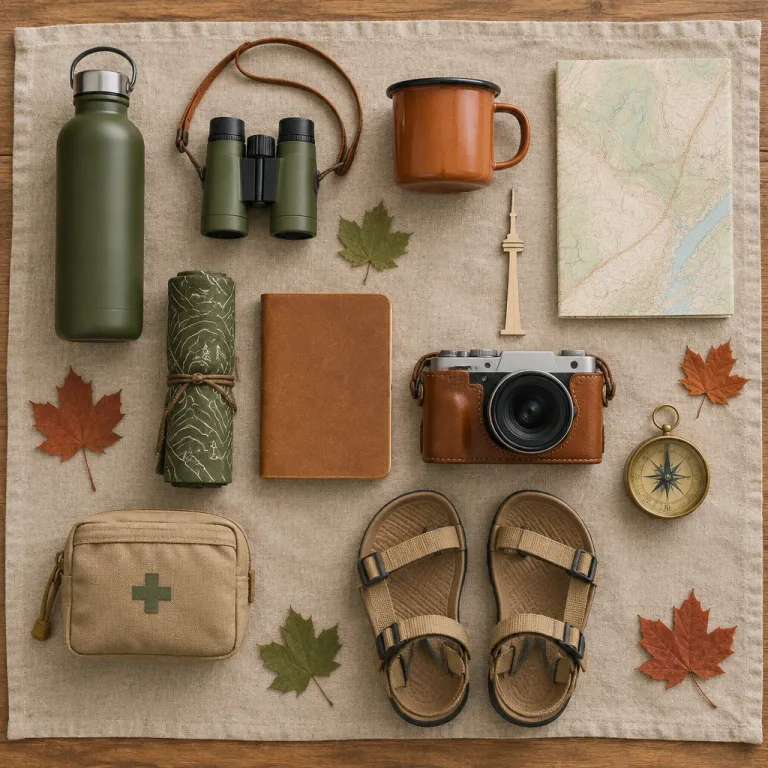
For most urban park and ravine trails, sturdy walking shoes, layered clothing, and a small daypack with water and snacks are sufficient. If you plan longer hikes on the Bruce Trail or in Ontario Parks, add a map or GPS app, sun protection, and weather appropriate gear, especially in shoulder seasons. In all cases, bring a reusable water bottle and check the expected time and distance of your route before leaving your hotel.