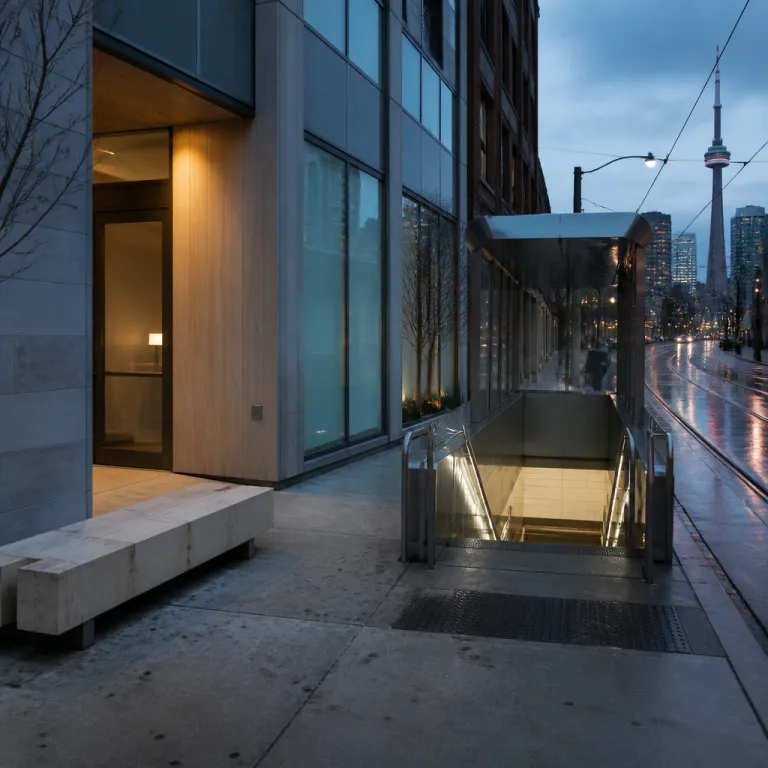
How this Toronto public transit guide shapes your hotel choice
Choosing a hotel in Toronto is far easier when you understand how the Toronto Transit Commission, or TTC, connects each neighbourhood by subway, bus, and streetcar. When you read a Toronto transit guide with a hotel map beside you, you will quickly see how a single subway station or frequent bus service can cut travel times and taxi costs across the city. For many visitors, the smartest luxury is not a larger room but a location that lets you board fast transit and exit close to galleries, restaurants, and meetings.
The TTC operates the backbone subway train network, supported by an extensive grid of bus routes and iconic red streetcars that glide along every major street in the city centre. According to the agency’s own 2023 reporting, typical weekday TTC ridership reaches about 1,500,000 passengers, which shows how deeply public transit shapes daily life in Toronto and why your hotel’s access to a subway station or major bus stop matters as much as its lobby. This overview focuses on how that scale of service translates into real advantages for travellers who want to explore Toronto efficiently while still enjoying a refined hotel stay.
Subway lines generally run from about 6:00 a.m. until roughly 1:30 a.m. on weekdays and Saturdays, with slightly later starts on Sundays, while key bus and overnight “Blue Night” routes replace many streetcars and operate through the night on major corridors across the city. The TTC’s objective is to provide efficient transit service, ensure accessibility for all users, and maintain affordable fares, which directly benefits guests who prefer to pay with a PRESTO card instead of exact cash on every bus or subway trip. When you compare hotels, ask whether the nearest subway station, station bus loop, or streetcar stop is within a five to seven minute walk, because that single detail will shape every day of your stay.
Understanding TTC lines, key stations, and hotel friendly hubs
The TTC subway network is organised around the north–south Line 1 Yonge–University and the east–west Line 2 Bloor–Danforth, and together they form the spine of this Toronto public transit guide. Staying near the Bloor–Yonge interchange gives you instant access to both lines, so you can board a train toward the financial district, transfer to a subway-connected bus heading north, or ride west toward trendy neighbourhood getaways without relying on taxis. Hotels around this junction suit travellers who want to explore Toronto by day yet return quickly to a calm room in the evening.
Union Station is the grand rail hub at the south edge of the city centre, where the subway station connects directly with GO Transit regional trains, VIA Rail, and the UP Express to Toronto Pearson airport. A hotel within a five to ten minute walk of Union Station lets you use public transit for almost every journey, from a quick subway ride to a meeting on Bloor Street to a weekend rail trip toward Niagara Falls for wine country or waterfall views. When you stay in this area, you can follow service alerts from the TTC and regional transit agencies, then adjust your departure time without worrying about parking or traffic.
Further north, stations such as Dupont, Don Mills, and other stops along the Yonge–University and Bloor–Danforth corridors anchor quieter residential districts that still offer swift subway connections. Guests who prefer leafy streets and local cafés often choose hotels near these stations, then rely on frequent bus and streetcar links to reach museums, theatres, and waterfront promenades. For help matching specific properties to these hubs, consult a specialised resource on how to choose a hotel near Toronto’s top attractions, then layer this Toronto transit advice on top of that guidance.
Fares, PRESTO, and seamless transfers from your hotel door
Once you have chosen a hotel near a subway station or major bus corridor, the next step in this Toronto public transit guide is understanding fares and payment. As of early 2024, the TTC confirms that a standard adult single fare is $3.35 CAD when paying with PRESTO, with unlimited transfers within two hours of your first tap, which means you can board a bus, transfer to a subway, and then ride a streetcar without paying again during that window. For many hotel guests, this structure turns public transit into a predictable daily expense rather than a series of small surprises.
Most visitors should obtain a PRESTO card, which is the reloadable smart card used across Toronto transit and regional partners such as GO Transit and other Metrolinx services. The agency notes that you can buy a PRESTO card at subway stations, online, or at authorised retailers like Shoppers Drug Mart, so you can usually pick one up near your hotel on your first day in the city. Once you have the card, you simply tap PRESTO on the reader when you board a bus, enter a subway station, or step onto a streetcar, and the system automatically tracks your transfer rights.
Travellers who ride frequently in a single day may prefer a day pass product such as the PRESTO daily fare cap, and the TTC states that riders are charged no more than the value of a day pass (currently $13.50 CAD for adults) in a single day when using PRESTO. If you are planning a packed itinerary of neighbourhood getaways, from the west end galleries to the city centre theatres and then out toward Don Mills for shopping, this cap can offer excellent value. For more ideas on shaping such an itinerary, you can consult a curated guide to a Toronto weekend getaway for a refined city stay and then align those plans with this Toronto public transit guide.
Accessibility, platforms, and navigating stations from lobby to platform
Accessibility is central to the TTC’s mission, and this Toronto public transit guide pays close attention to how guests move from hotel lobby to subway platform with minimal barriers. Many newer or renovated stations now feature at least one platform elevator, which links street level, concourse, and train platform so travellers with luggage, strollers, or mobility devices can access subway services comfortably. When you book, ask your hotel concierge which nearby subway station has a platform elevator and whether the route from the hotel entrance to the station is step free.
Inside stations such as Bloor–Yonge, Union, St George, and several along the Bloor–Danforth and Yonge–University lines, clear signage directs you toward the correct platform, elevator, and exit. Visitors should watch for overhead boards that display next train times, service alerts, and information about any temporary changes that might affect a planned transfer between subway and bus. If you are unfamiliar with the network, allow a few extra minutes at first so you can read these boards calmly instead of rushing through a crowded concourse.
At street level, many stations integrate directly with a station bus terminal or on-street bus and streetcar stops, which simplifies connections for hotel guests staying slightly west or east of the core. When you exit a subway station, look for TTC wayfinding signs that indicate where to board each bus or streetcar, and remember that some stops are located around the corner on a different street. This Toronto public transit guide recommends that you save a digital station map or the official TTC map on your phone, especially if you plan to explore Toronto at night after theatre performances or late dinners.
Neighbourhood getaways around the GTA using public transit
Once you understand the basics of this Toronto public transit guide, you can use the TTC and regional transit to design neighbourhood getaways around the Greater Toronto Area while still basing yourself in a central hotel. From a property near Union Station or Bloor–Yonge, you can board a subway, transfer to a regional train, and reach charming west end districts or lakeside communities without renting a car. This approach lets you enjoy the city’s cultural depth by day and return to a familiar room and concierge team each evening.
For a relaxed escape, many guests ride the subway to a station with easy access to a bus or streetcar that continues toward the waterfront and the ferry to Toronto Island. The islands offer beaches, walking paths, and skyline views, and they feel worlds away from the busy city centre even though they sit only a short transit ride from most hotels. Another popular day trip uses GO Transit trains from Union Station toward Niagara Falls, where visitors can combine natural scenery with wine tasting before returning to Toronto by evening train.
Some travellers prefer to explore Toronto’s own outer districts, using the Bloor–Danforth and Yonge–University lines to reach areas such as the Danforth, the west end Junction, or the Don Mills corridor. In these neighbourhoods, you can step off a subway, walk along a lively street lined with cafés, then board a local bus for a short hop to parks, galleries, or shopping centres. To time these excursions around seasonal events and hotel pricing, consult a specialist resource on the best time to visit Toronto for prices and hotel planning, then align your calendar with this Toronto public transit guide.
Airport, arrivals, and practical tips for hotel guests on transit
Arriving at Toronto Pearson airport, many hotel guests now choose public transit rather than taxis, and this Toronto public transit guide explains how to make that choice confidently. The UP Express train links Toronto Pearson with Union Station in about twenty-five minutes, where you can transfer easily to the subway, a station bus loop, or a streetcar to reach hotels across the city centre. If your property lies further west or along a suburban corridor, staff can advise whether a combination of UP Express, subway, and bus will be faster than a direct car ride during peak traffic.
When you first land, decide whether to buy a PRESTO card immediately or use exact cash for a single TTC fare once you reach the city, bearing in mind that contactless credit and debit payment integration is expanding across the network. Many travellers prefer to tap PRESTO from the start, because it simplifies every transfer between subway, bus, and streetcar and avoids fumbling for coins at a busy platform. If you are staying near Don Mills, Dupont, or another station slightly outside the core, this convenience becomes more valuable as you move between hotel, meetings, and evening plans.
Before leaving your room each morning, check TTC service alerts online to confirm that your usual subway station, bus route, or streetcar line is running normally. The agency recommends that riders check schedules online before travel and avoid peak hours for a more comfortable ride, advice that applies equally to business travellers and leisure guests. By following these habits, you can explore Toronto efficiently, arrive at reservations on time, and still feel relaxed when you return to your hotel at the end of the day.
Key figures from this Toronto public transit guide
- Daily TTC ridership reaches about 1,500,000 passengers, according to the TTC Annual Report, which underlines how essential public transit is for moving people across Toronto every day.
- A standard adult TTC fare costs $3.35 CAD with PRESTO and includes unlimited transfers within two hours, which allows hotel guests to chain several short trips without paying multiple times.
- The TTC operates subways generally from early morning until around 1:30 a.m., while major bus and overnight Blue Night routes run 24 hours on key corridors, giving visitors late night options after theatre or dining.
- The TTC’s daily PRESTO fare cap, currently equivalent to a $13.50 CAD day pass for adults, can be cost effective for travellers who expect to make more than four or five trips in a single day, especially when exploring multiple neighbourhoods.
- The TTC and its partners continue to expand subway lines and introduce electric buses, which supports the city’s goals of reducing congestion and lowering the environmental footprint of urban mobility.
FAQ about using Toronto public transit from your hotel
How do I pay for TTC rides as a visitor staying in a hotel?
Most visitors either buy a PRESTO card at a subway station or authorised retailer, or they pay a single fare with exact cash when boarding a bus or entering a subway station. The PRESTO card is usually more convenient because it allows seamless transfers between subway, bus, and streetcar within the two hour transfer window. Hotel concierges can often direct you to the nearest place to purchase or reload a card.
Is public transit safe at night for hotel guests returning late?
The TTC network is generally considered safe, especially along the main subway lines and busy streetcar routes that serve the city centre and popular nightlife districts. Stations and vehicles are monitored, and staff are present at key hubs such as Union and Bloor–Yonge until late. As in any large city, travellers should stay aware of their surroundings and keep valuables secure.
Which Toronto neighbourhoods are easiest to reach by transit from downtown hotels?
Neighbourhoods along the Yonge–University and Bloor–Danforth lines, such as the Annex, the Danforth, and midtown districts, are especially easy to reach from downtown hotels. Areas served by frequent bus and streetcar routes, including the west end and waterfront, also work well for day trips. When planning, look for a hotel within a short walk of a subway station to maximise your options.
Can I reach Toronto Island and Niagara Falls using public transit?
Yes, you can reach the ferry to Toronto Island by taking the subway or streetcar to the waterfront and then walking to the ferry terminal. For Niagara Falls, many travellers use GO Transit trains or buses from Union Station, sometimes combined with local shuttles at the destination. Both trips are manageable as day excursions from a centrally located hotel.
How accessible is the TTC for travellers with luggage or mobility needs?
The TTC has been adding elevators and other accessibility features to more subway stations, and many key hubs now offer step free routes from street to platform. Low floor buses and streetcars also help travellers with luggage or mobility devices board more easily. When booking a hotel, ask staff which nearby stations have elevators and the most accessible exits.